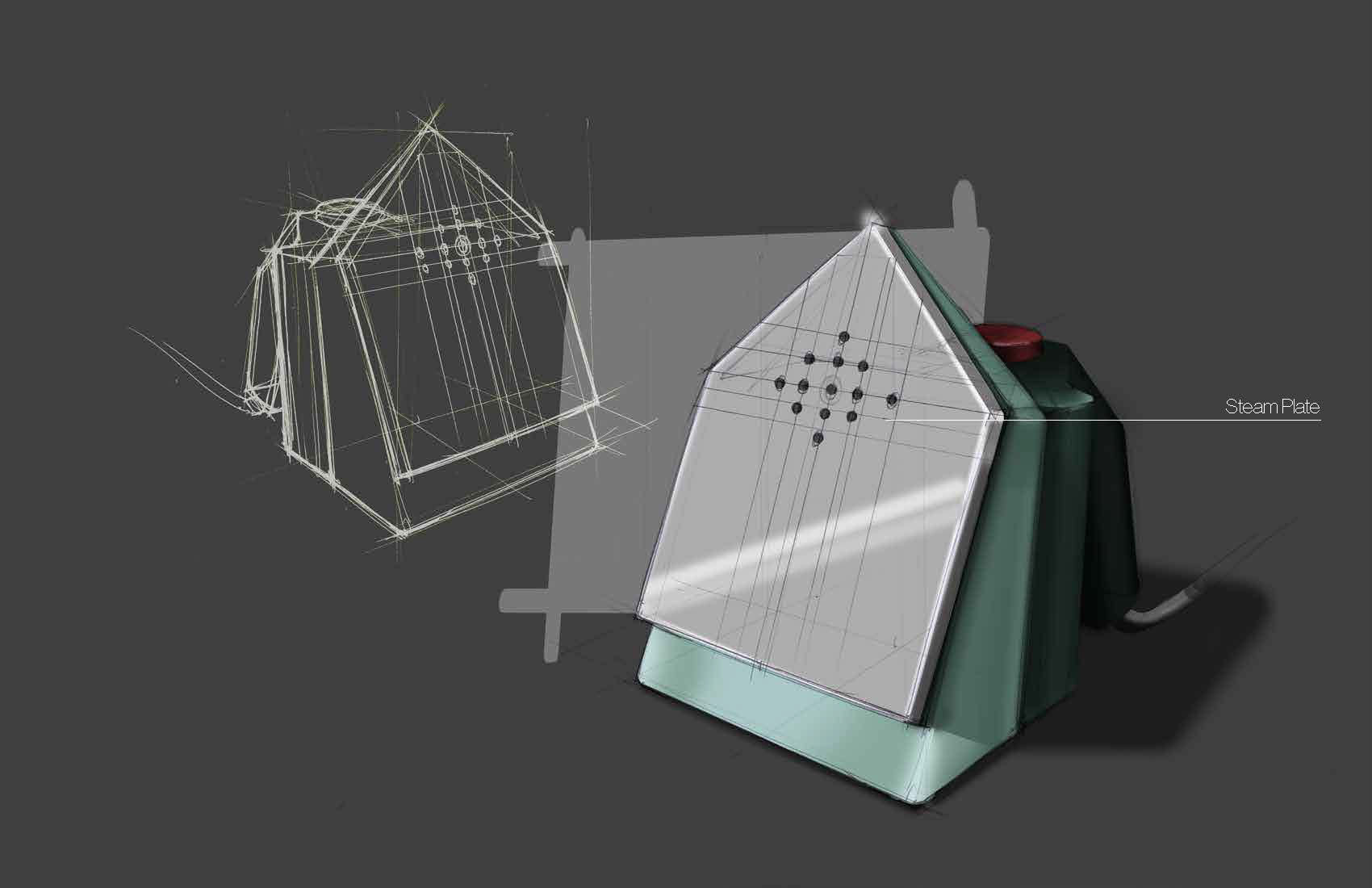
The first electric clothing iron was created over 100 years ago. Since then, not much has changed. Modern duel-steam functioning irons became a more popular option in the 1960s. These Irons have remained very similar for 50 years. These irons have many flaws that lead to disrepair, injury, and eventual waste.
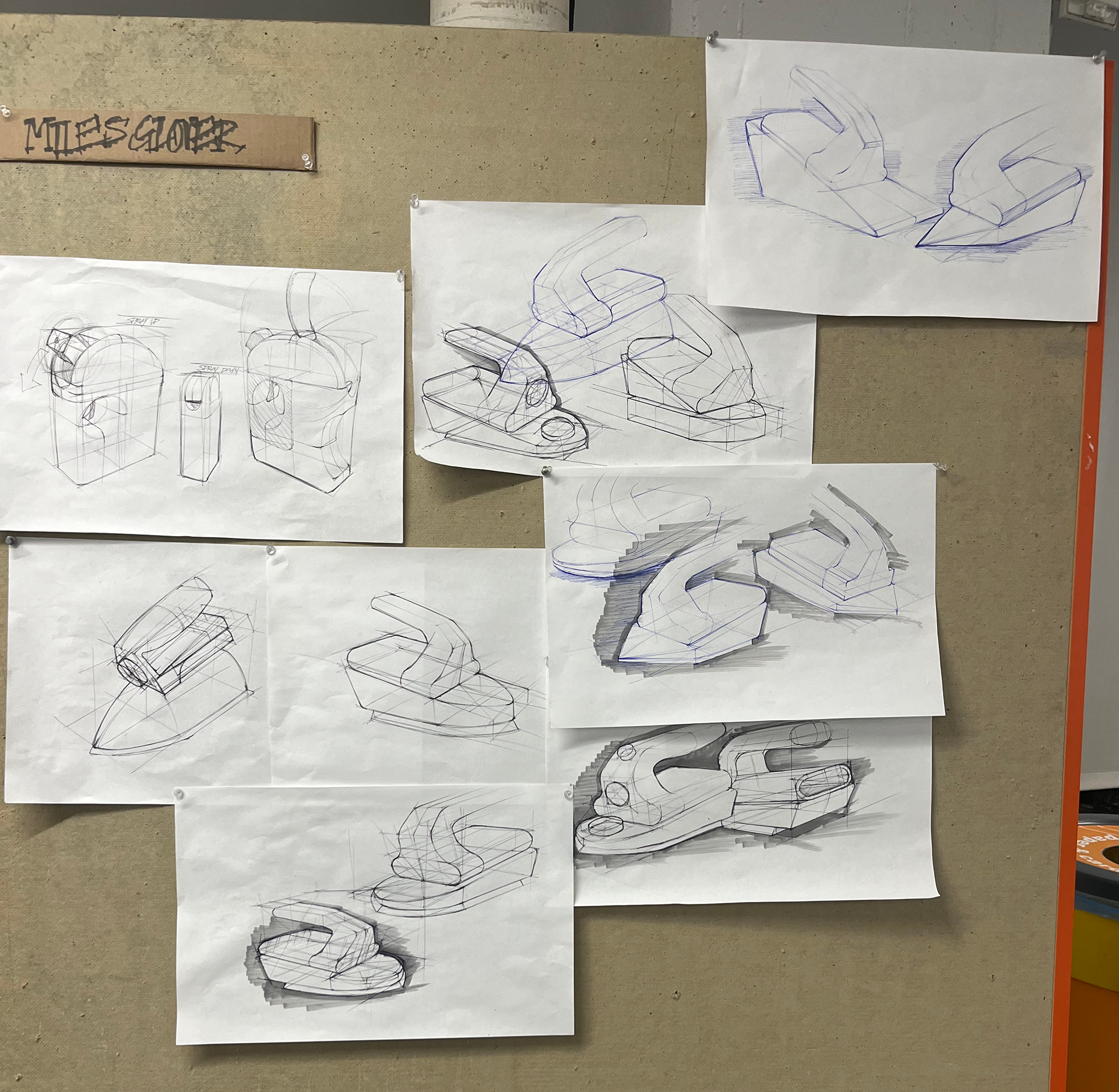
Sketch Ideation
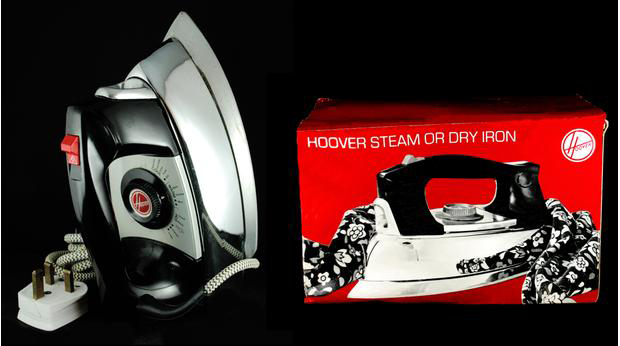
Hoover Steam Iron - 1970
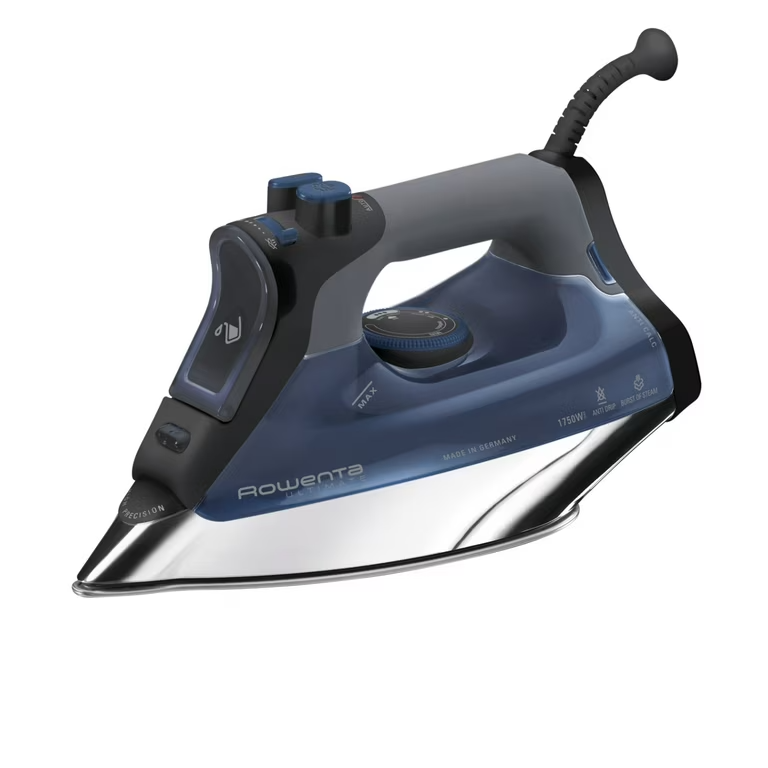
Rowenta Steam Iron - 2020
User Research
To learn more about how people use clothing irons, I visited a group of local quilters who meet monthly. The group was roughly 20 women who had experience ranging from 10 to 60+ years of quilting, sewing, and ironing.
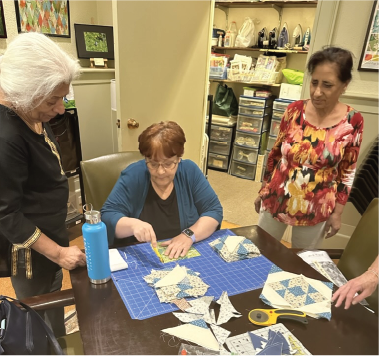
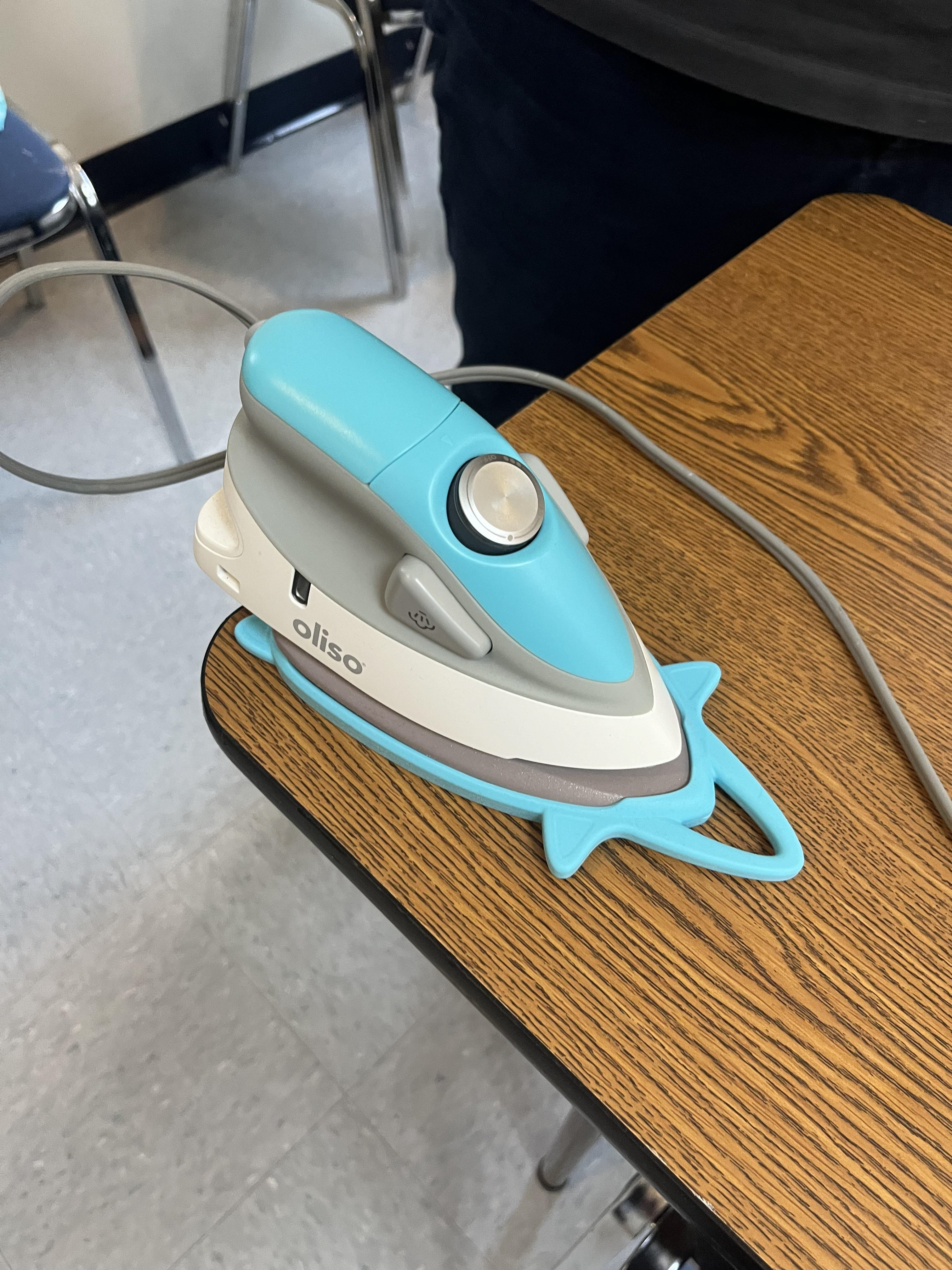
Small side iron used by most quilters
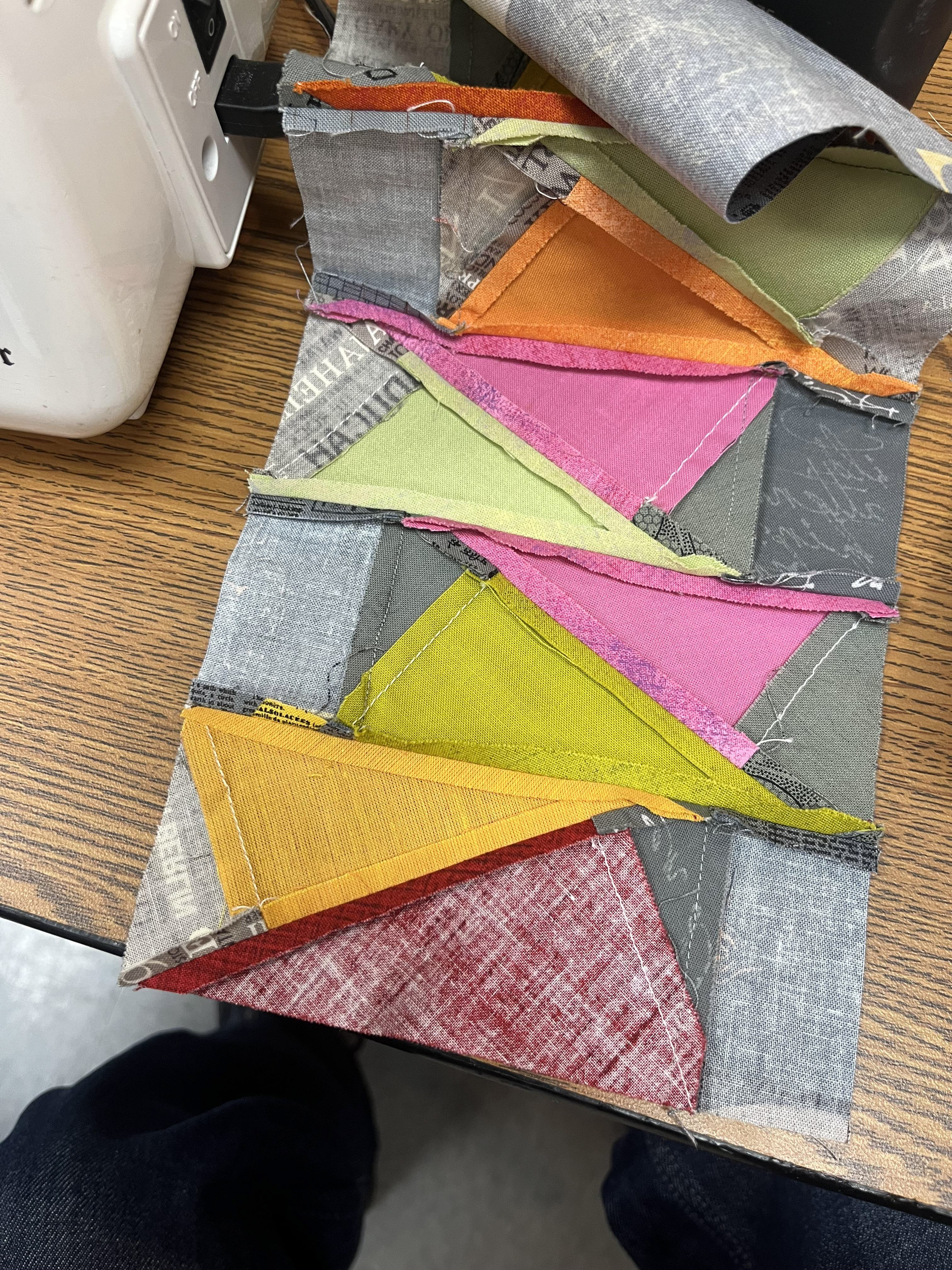
Precision sewing/ironing work
Notes from Individual Interviews
"If I need a spray, I need a spray bottle. It's really kind of hit and miss."
"People like... I don't use steam, I spray instead, but people like steam."
"Well, they had dry irons, and they had steam irons. You could buy a dry iron; you couldn't put any water in it, and those were great irons. I mean, they would last for 20, 30 years."
"I gotta tell you, if you're talking about irons, I know that the new irons, you know, are lighter weight. There's nothing like that old machinery. Like, they're really heavy."
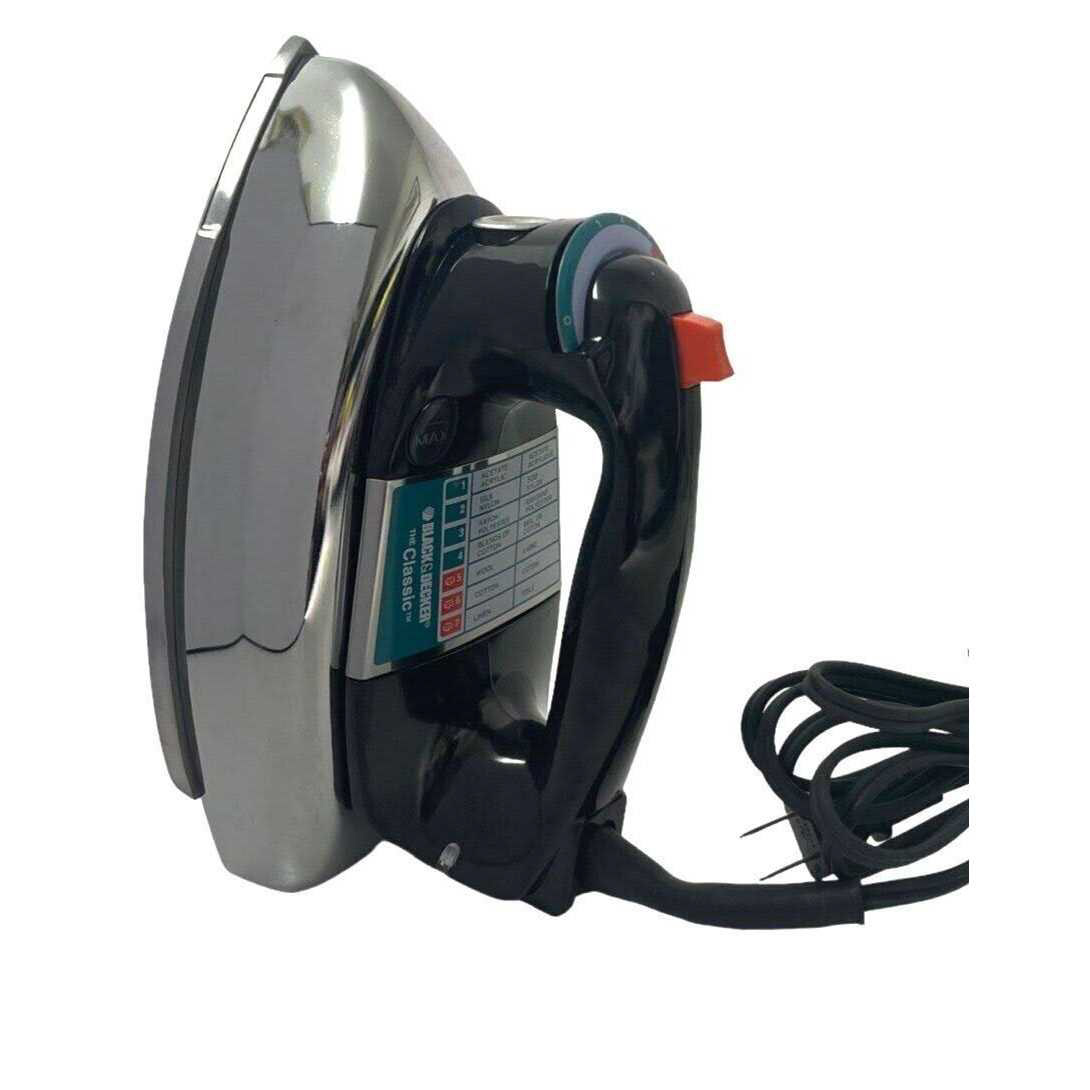
A few of the quilters told me they had switched to the Black and Decker Classic dry iron simply because of its weight, simplicity, and durability, after having bad experiences with modern steam irons breaking.
Design Direction
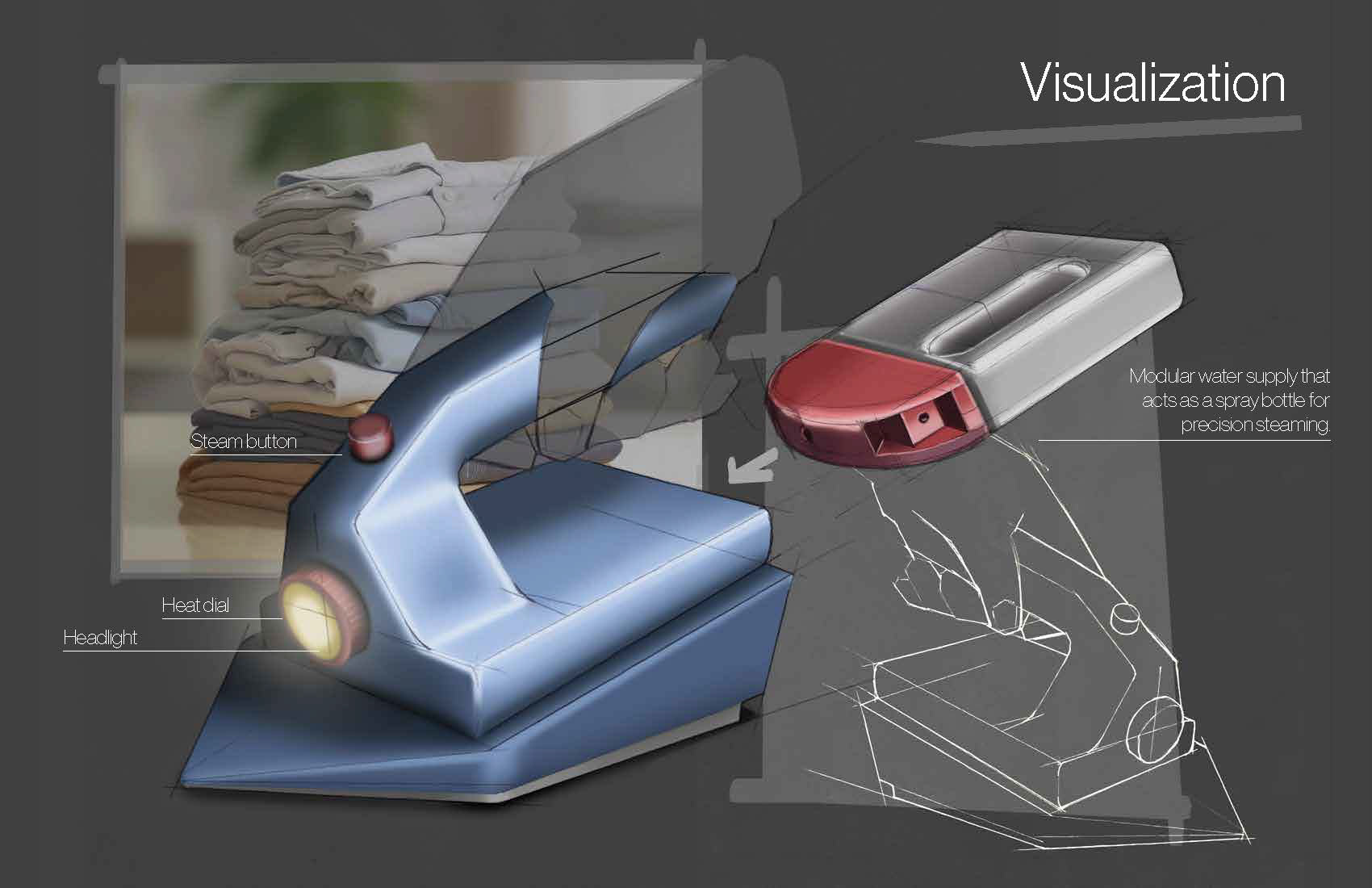
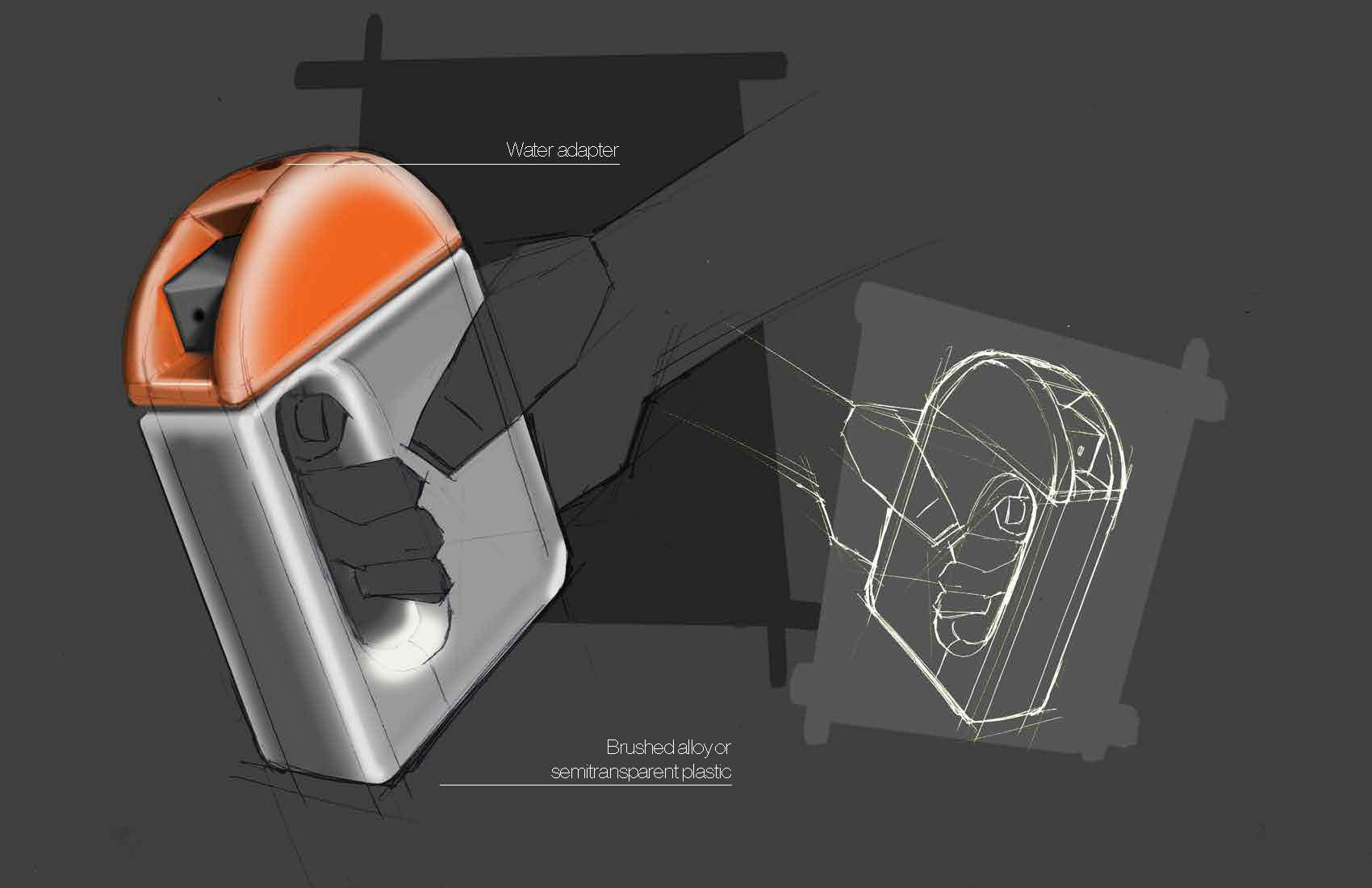
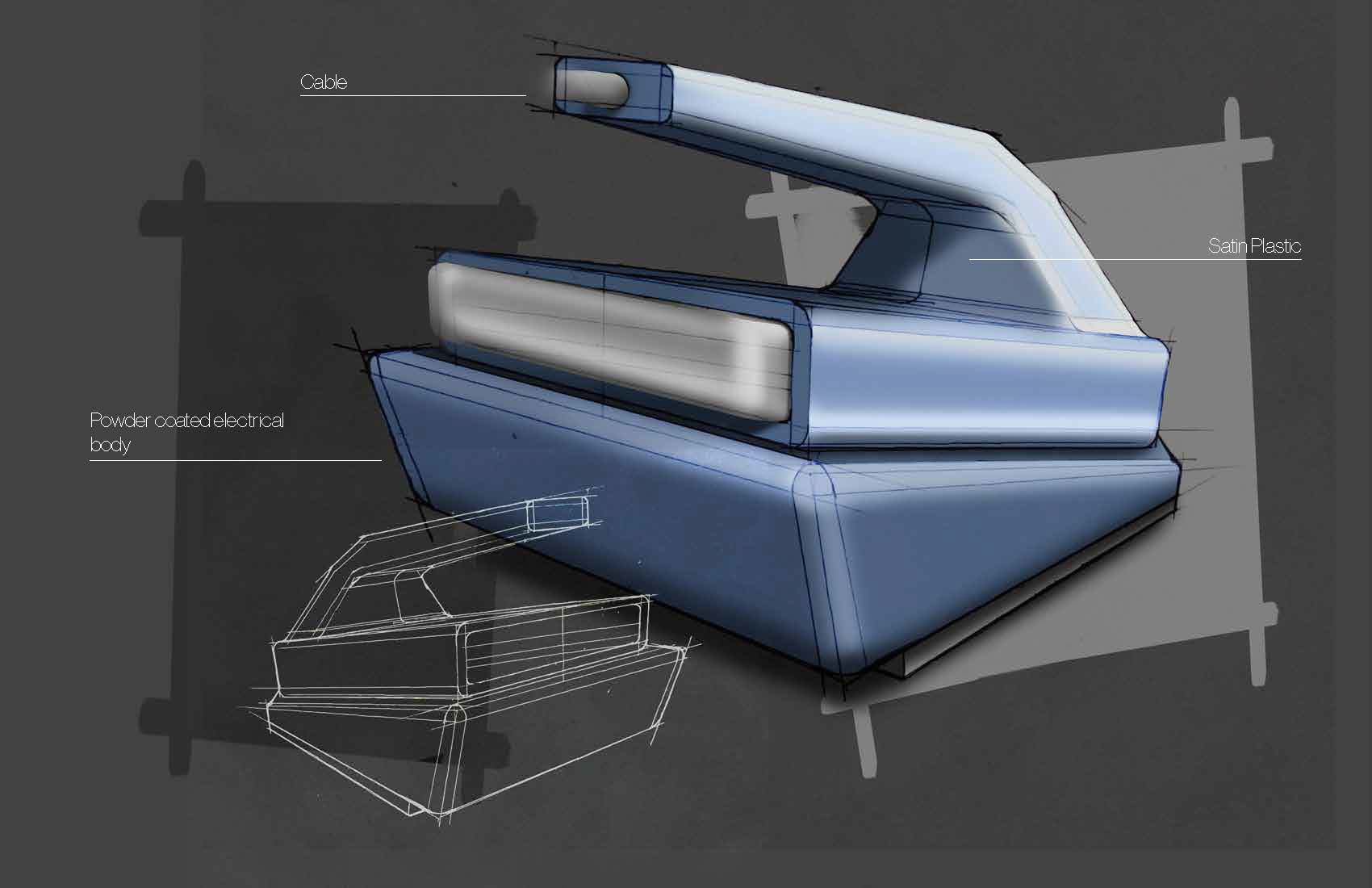
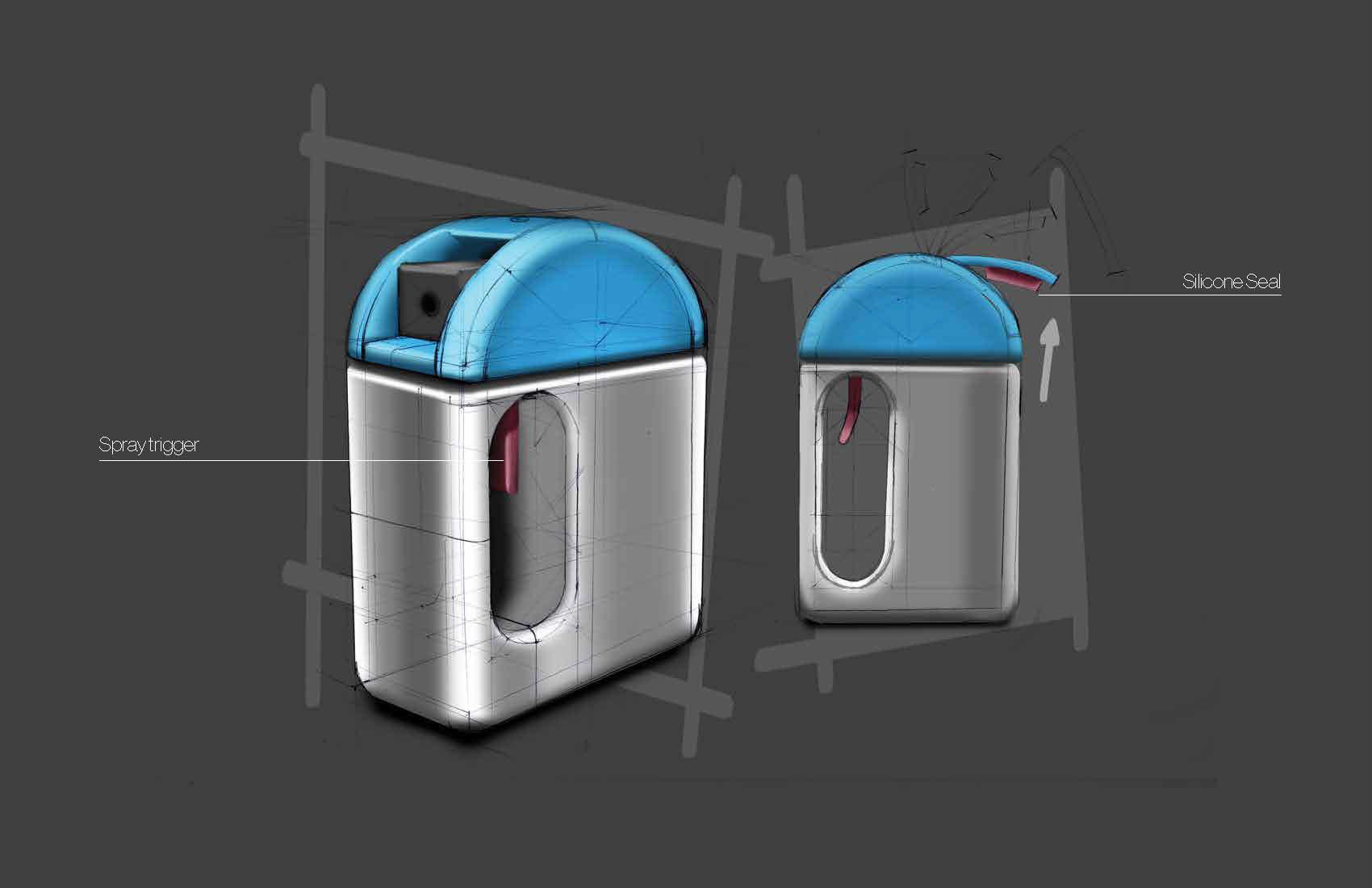
Based on the interviews, users are most concerned with the iron's water supply, and prefer the classic heft of dry irons.
How might we design a reimagining of the simplicity of older dry irons while improving steaming functionality?